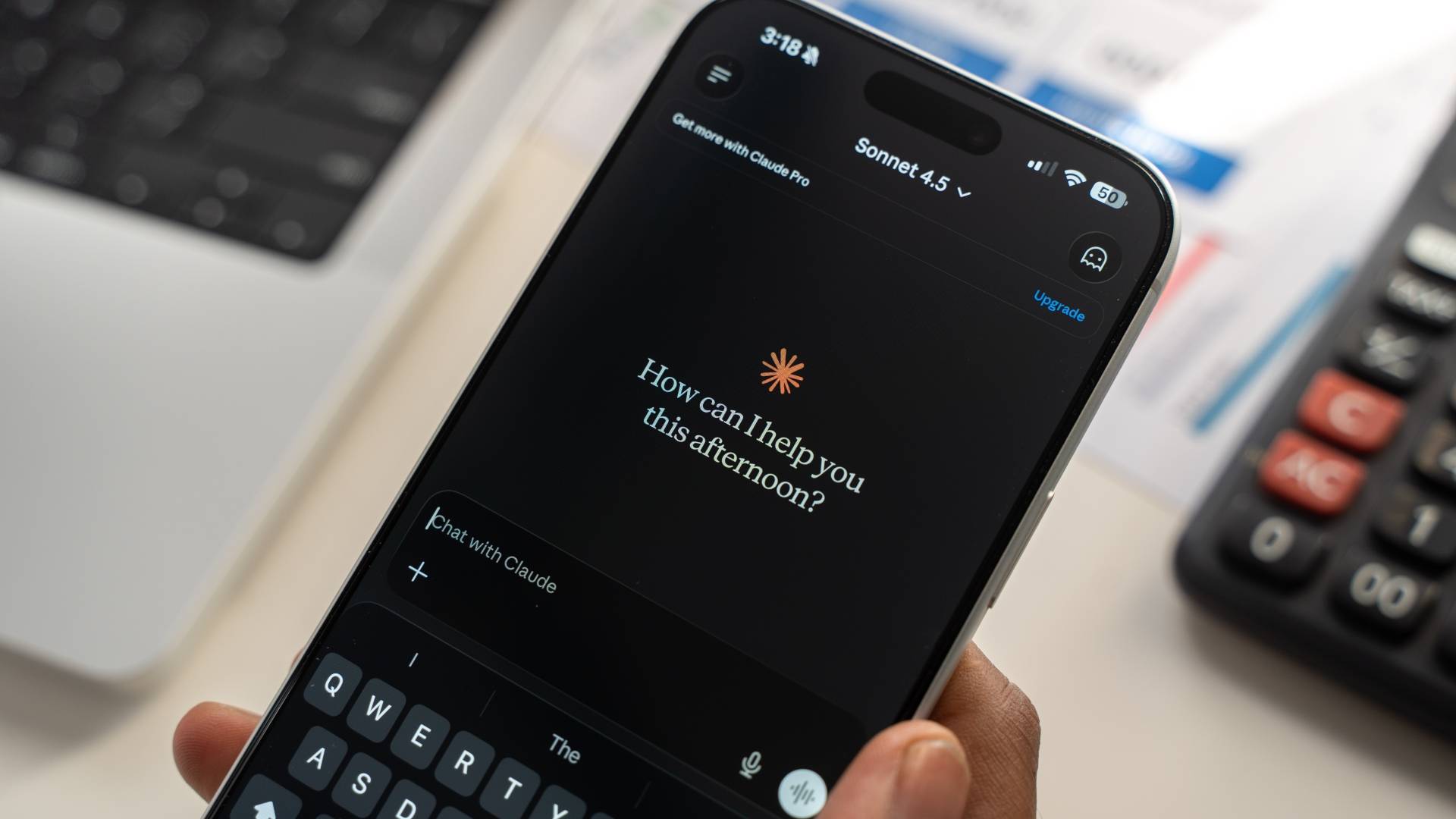
How AI detectors identify GPT content
Schools, publishers, and marketing teams are all running AI detection checks. Here is what the tools are actually measuring.




AI writing tools went mainstream fast.
Within a year of ChatGPT’s launch, schools updated academic integrity policies, publishers added detection requirements to submission guidelines and companies scanned content before publication.
The tools built to catch AI-generated writing had to move just as quickly, and the methods they use are more layered than most people expect.
Ten years ago, the idea of using AI to write an entire paper or article simply didn’t exist.
Now, however, AI is seen by many as a way to simplify the act of writing. With nothing more than a quick idea and a simple prompt, a person can generate whatever they want using ChatGPT. This can easily eliminate the need to research, create an outline, write and edit a paper.
However, the use of ChatGPT for writing has opened up a world of complex issues. AI can often produce predictable sentence structures and word choices while also generating inaccurate information.
Additionally, there is the issue of ethics and whether or not AI should be incorporated into writing at any stage in the academic and professional world.
GPT models generate text through probability. Every word selection is a prediction based on what statistically fits next. The result is writing that tends to hold a consistent rhythm, favours balanced paragraph lengths and repeats transition phrases in ways that human writers do not naturally produce.
A ChatGPT detector scans for the footprint that prediction-based generation leaves behind. Sentence structures that mirror each other, wording choices that follow the expected path and paragraph flows that never interrupt themselves are the signals that accumulate into a detection score.
Perplexity is the technical name for how surprising a piece of text appears to a language model. Low perplexity means the words follow a path the model already expected. High perplexity means the writing went somewhere less predictable.
A sentence like “Technology continues to reshape modern industries at a rapid pace” scores low on perplexity. It follows the kind of predictable structure a language model could generate. A writer who writes “Technology moves fast. A lot of industries are still catching up,” introduces variation that models find harder to anticipate. Detector platforms weigh perplexity heavily, often combining it with other signals before returning a result.
Human writers mix their sentence lengths without planning to. A short one lands. Then a longer sentence follows because an example needed explaining or a thought ran a bit long before the writer caught it. AI text tends to stay at a more consistent pace throughout, which detection systems check directly.
That variation, or the absence of it, feeds into a burstiness score. Very even sentence rhythm across a long article is a flag. Irregular patterns tend to suggest a human hand.
Detection models train on large datasets drawn from both human and AI writing, then compare submitted content against those patterns. The challenge is that polished human writing sometimes looks like AI output. Formal structure, clean grammar and organised paragraphs can all push a score in the wrong direction.
Researchers testing popular detection tools have found significant inconsistencies. The same article can be flagged as mostly AI by one platform and cleared as human by another. ZeroGPT has updated its scoring methods as GPT models have improved. Still, no tool currently offers perfect accuracy.
Manual editing changes detection results in meaningful ways. Personal opinions, informal phrasing, and structural interruptions all introduce the kind of unpredictability that detection systems associate with human authorship. For now, the most reliable signal of that authorship is still the one no model has fully learned to fake: the sentence that goes somewhere unexpected, for no particular reason at all.
Not sure whether your writing could be flagged as AI-generated? Check it with ZeroGPT’s AI detector.

Rawad Baroud is the co-founder and CEO of ZeroGPT.com. His work brings together artificial intelligence, product development, and business growth.
ZeroGPT.com is a website that helps people figure out if something was written by a human or a computer.