Gamifying loyalty: The savvy new way brands are driving repeat purchases
Loyalty programs are shifting away from being stand-alone to integrating
seamlessly within marketing. Here’s how to get your program ready for the
future.



It’s 9pm on a weeknight and you’re at the shops buying groceries. At checkout, you’re asked for a loyalty card. You can’t find it in your wallet, so you give up and pay, missing out on points.
Now imagine earning points without having to find your loyalty card at all. You tap your Visa credit or debit card, and the points are recorded automatically.
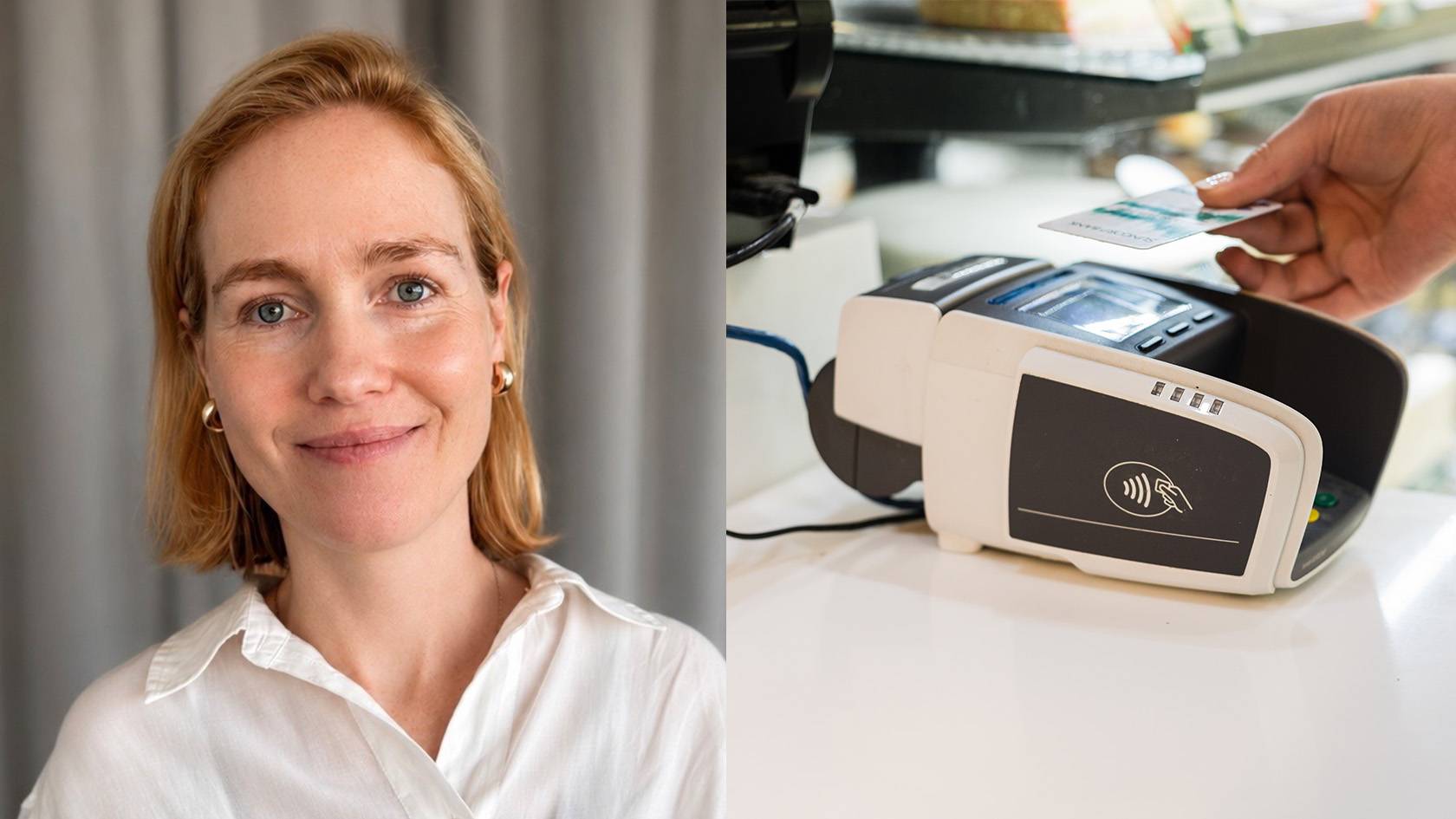
“Right now, customers need to complete quite a few steps to earn or redeem points in loyalty programs,” says Stephanie Andrews, head of loyalty, Visa Oceania. “When you compare it to digital shopping where people can check out in less than two clicks, it seems out of touch.”
Traditional barcode and mag-stripe loyalty systems frustrate customers and produce poor data. When customers forget their card, skip the scan, or sign up with a different email address, those transactions disappear from your records. The result is a fragmented picture of customer behaviour that makes it almost impossible to measure whether your program is working.
The fix is using the transaction as the anchor for the loyalty interaction. “Every time someone buys, it’s recorded as an engagement opportunity,” Andrews says. It’s payment and loyalty on one card, with no extra steps, and a complete transaction record every time.
Visa’s platform, powered by SMT (Smart Media Technologies), links loyalty directly to the payment credential, so participation happens automatically whether the customer is in-store, online or in-app.
Once a customer enrols an eligible Visa card, qualifying purchases can trigger points, benefits, offers, sweepstakes entries or other loyalty mechanics without the customer needing to scan a separate card or remember another step at checkout.
Visa and SMT recently brought this model to life through a Westfield retail activation in the UK, where consumers could enter a mobile-first digital sweepstakes, link their Visa card, and earn additional entries through eligible in-centre purchases. The activation was designed around a simple premise: enrol once, shop as normal, and allow the payment credential to connect engagement, loyalty and qualifying spend.
When designed effectively, loyalty programs can encourage customers to spend more often and return more frequently. Research suggests that customers who redeem loyalty points or discounts tend to make more purchases than non-redeemers and show stronger repeat-purchase behaviour.
Knowing your loyal customers spend more is not the same as knowing your loyalty program caused that behaviour. “Did you acquire a new customer or engage an existing customer to spend more? Or re-engage someone who’d gone to a competitor? You need to be able to answer these questions,” Andrews says.
She recommends moving beyond vanity metrics like sign-ups, app downloads, email open rates to setting clear KPIs around frequency, basket size, category mix and cross-shopping behaviours.
Visa’s measurement tools are designed to help businesses better understand whether loyalty activity is genuinely driving customer behaviour or simply rewarding purchases that would have happened anyway.
Once a loyalty program is integrated into your marketing strategy and tracking the right metrics, the next question is how to make it more engaging, particularly for a younger customer demographic. The answer? Gamification.
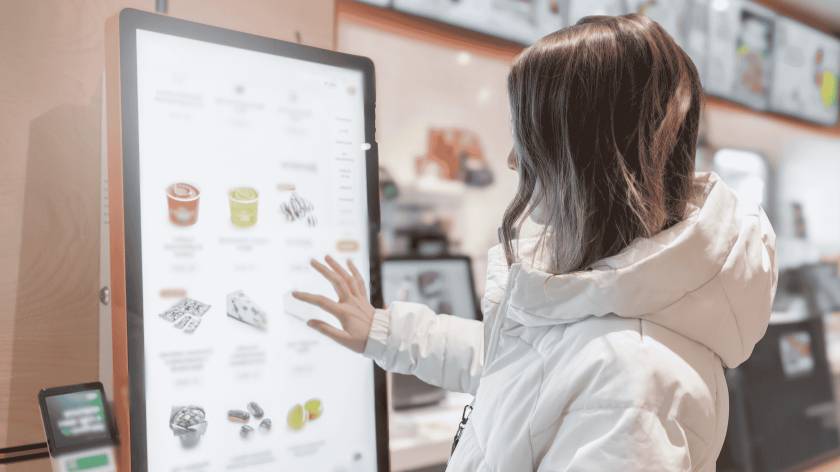
Instead of a straightforward point-per-dollar model, gamified loyalty programs include challenges, missions, progress bars, tokens to collect and surprise rewards for hitting milestones. The goal is to turn repeat purchasing into something that feels active and rewarding, rather than passive and forgettable.
The most effective gamification connects the digital and physical worlds. A customer might complete a digital challenge to unlock an in-store reward, or scan in-store to unlock a digital experience.
“Gamification works well with tech-literate customers who are comfortable with app-based experiences. For businesses whose customer base skews older, a frictionless card-linked program may deliver more value,” says Andrews.
Visa’s loyalty tools support both approaches. It enables the seamless card-linked experience for everyday transactions and provides the infrastructure for more sophisticated digital-to-physical engagement for brands wanting to go further.
If the answer to any of those is “I’m not sure,” take a closer look at your loyalty program today.
To find out more about how Visa’s loyalty solutions can help your business build a program that’s frictionless and measurable, visit Visa Small Business Hub.

Rashida Tayabali is an SEO copywriter with over 13 years of experience helping founder-led businesses align their messaging, content, and search presence on Google and in AI search to drive the right inquiries. She’s also an indie author and writes multicultural fiction.

Visa Inc. is a global payments technology company that connects consumers, businesses, financial institutions, and governments in more than 200 countries and territories to fast, secure and reliable electronic payments. Visit www.visa.com.au and @VisaNewsAU.